
It is finished. Two months ago today, exactly three years from when I first stumbled into this PhD life, as the clock struck midnight, I had fully drafted my thesis and booked my viva for two months later. Last night, I hit submit.
The only thing left on my PhD agenda now is to lie down like a salted fish and do nothing. (Yes, a nod to Chow’s immortal line: 「做人如果冇夢想,同條鹹魚有乜嘢分別呀?」— “If a person has no dreams, what’s the difference from a salted fish?”). Well, my dream at this point is to nap, so I guess I’ve come full circle.

PhD changes you (arguably – without consent…)
Doing a PhD is a huge undertaking. You think you’re just signing up for a degree, a structured thing with deadlines and milestones. But somewhere along the way it slips under your skin and rewires you. You start to realise it’s not just about producing a thesis — it’s about quietly reshaping how you think, how you spend your time, how you relate to others.
There are the obvious things: long hours, early mornings that bleed into late nights, bending time around deadlines like you’re running your own private Olympics. Dreams about work — not the metaphorical kind, but actual dreams where datasets, arguments, and half-written paragraphs chase you around.
I did try to protect myself. Weekends were sacred — my one immovable boundary. But the weekdays? They became a kind of over-compensation marathon. “If I keep weekends safe, I should pay it back by working even harder midweek.” And so I did. For the last year especially, that rhythm hardened: fewer dinners with friends, more nights staring at a half-eaten meal with my laptop still open, declining church commitments, community projects quietly pushed aside.
And yet, people who know me would probably describe me as a bit of an octopus — always dipping my tentacles into multiple things at once. Even during the PhD, that was my counter-measure: to resist being swallowed whole by the project, or by the endless temptation to improve methodologies on an upward-to-infinity scale. It was my way of clinging to variety, even if just at the edges.
At the end of the day, however, these are futile attempts to move an immovable load of work. All these cost sneaks up on you. No energy left to develop hobbies. No mental space to nurture relationships properly. No margin for anything that didn’t have the word “PhD” stamped on it. Life became PhD-centred, and everything else rotated around it like satellites around a heavy, slightly cranky planet.
Once the dust settled, the obvious question came knocking: is this how I want to live?
The last lesson
The final lesson of the PhD isn’t in the thesis. To me, it’s this: how to unlearn those patterns. How to stop mistaking endurance for balance. I’ve trained myself to push through – (to a point it becomes more enjoyable to just stay) — to add just one more paragraph, one more figure, one more revision. That survival mode worked for the PhD, but it’s a terrible blueprint for life. Productivity becomes its own trap: there’s always another article to read, another method to refine, another dataset to clean. The horizon keeps moving, and so do you, until you realise you’ve forgotten how to stop.
So the work now is almost the opposite: learning the discipline of switching off. Letting “good enough” actually be good enough. Accepting that leaving something unfinished until tomorrow doesn’t mean failure; it means you still get to have a tomorrow. Funnily enough, most of my codes do run much better the next day – once I had a cleared out mind to disentangle what kind of crap I scrambled together the night before.
My attempt to self-correct include:
- Leave the office no later than 6:30pm.
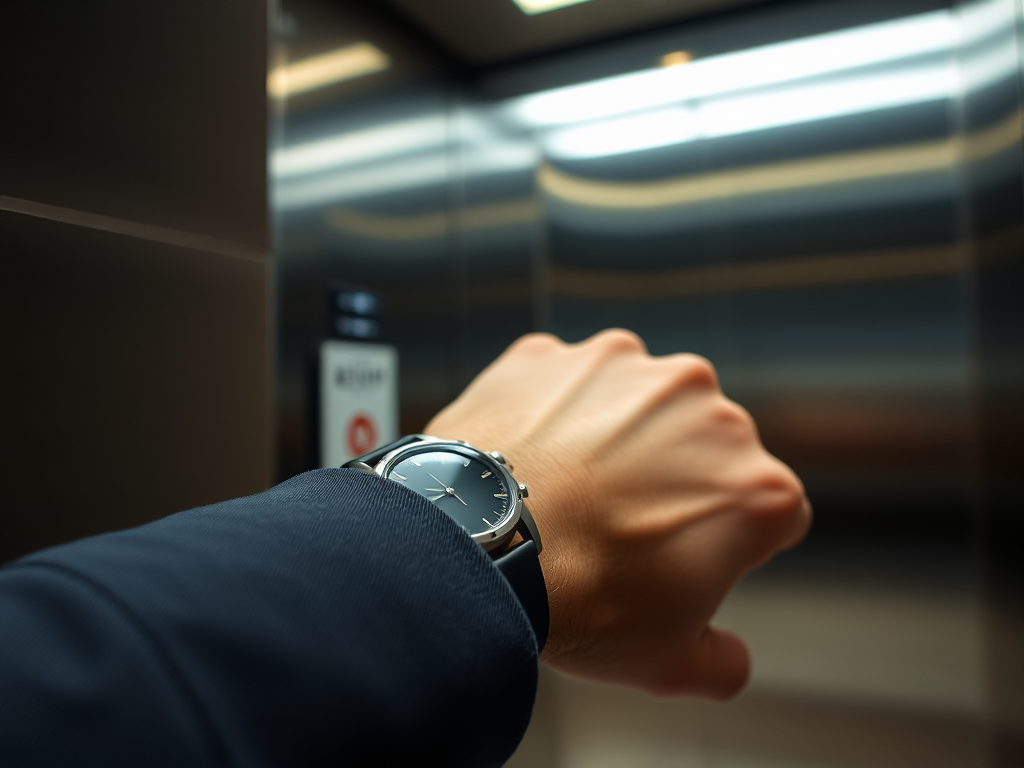
- Work from home a bit more (countering my tendency to loiter at the desk just because I can).
- Say “yes” to new things outside of work. For example: training for a half-marathon. Current progress: minimal. (Help me out, runners of the world).
Onwards
I’ll save the spiel about “thesis format vs publication” for another time. For now, I just want to say I am eternally grateful to my supervisors, family, and friends for putting up with PhD-ing Jo. The PhD has taught me to get better at work. Now I need to continue to get better at life. The bettering doesn’t stop here. Here’s to a fuller, more balanced, more experienced life ahead.









 JosePhD