
I had the opportunity to visit the Burke Museum of Natural History and Culture at Seattle, Washington. I was greeted by a pair of (portraited) open arms of Chief Si’ahl, the most famous dxʷdəwʔabš chief, whose name was anglicised to – as we now know – Seattle.
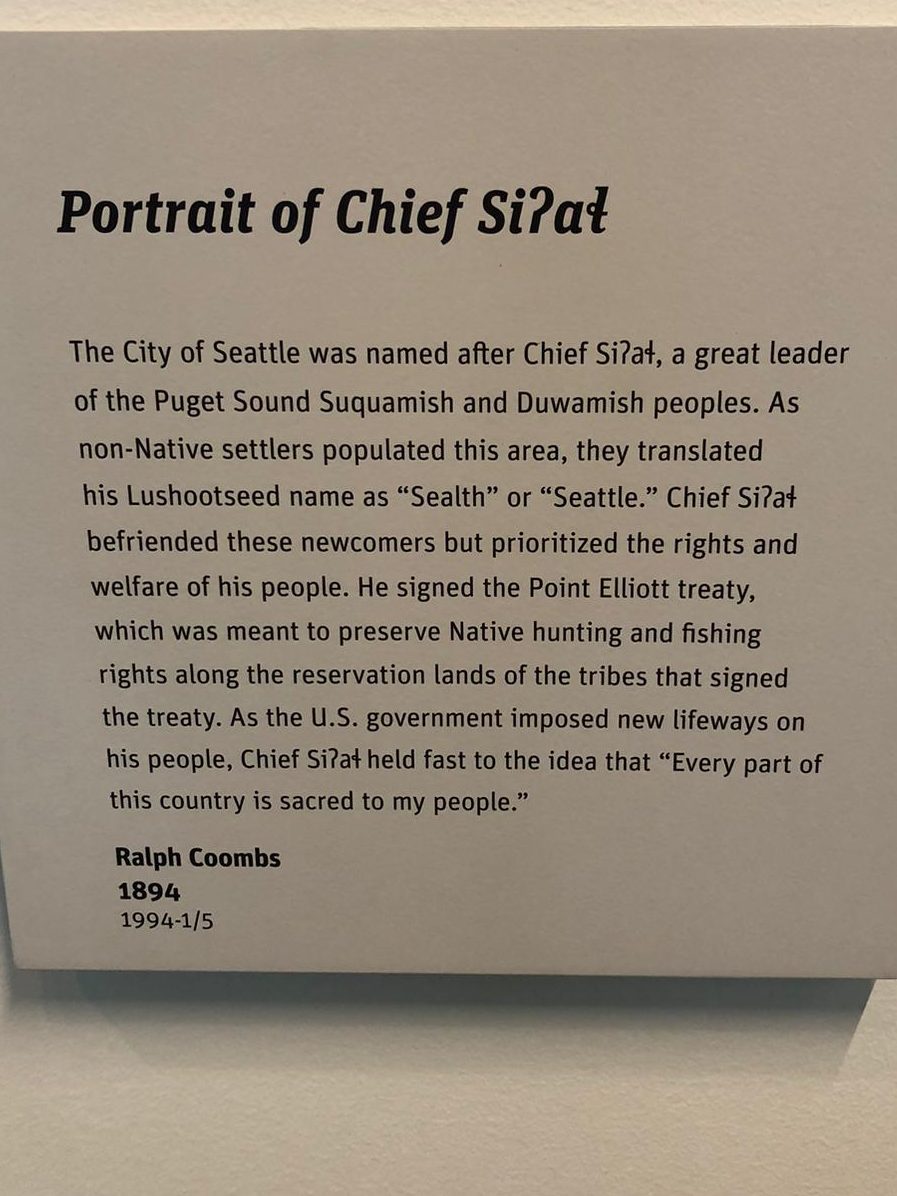
Picture of the description text for Chief Si’ahl’s portrait.
I can’t help but think about how Chief Si’ahl’s name would most likely be represented in many different ways in a modern data system. For example, Si’ahl already is a compromised ASC-II representation of his name in his original Lushootseed writing, where non-alphabetical characters are simply not accepted. Even in the anglicised form, his name may be recorded quite differently at different places, namely “Sealth” or “Seattle”. This meant that linkage based on his name would be more difficult than others.
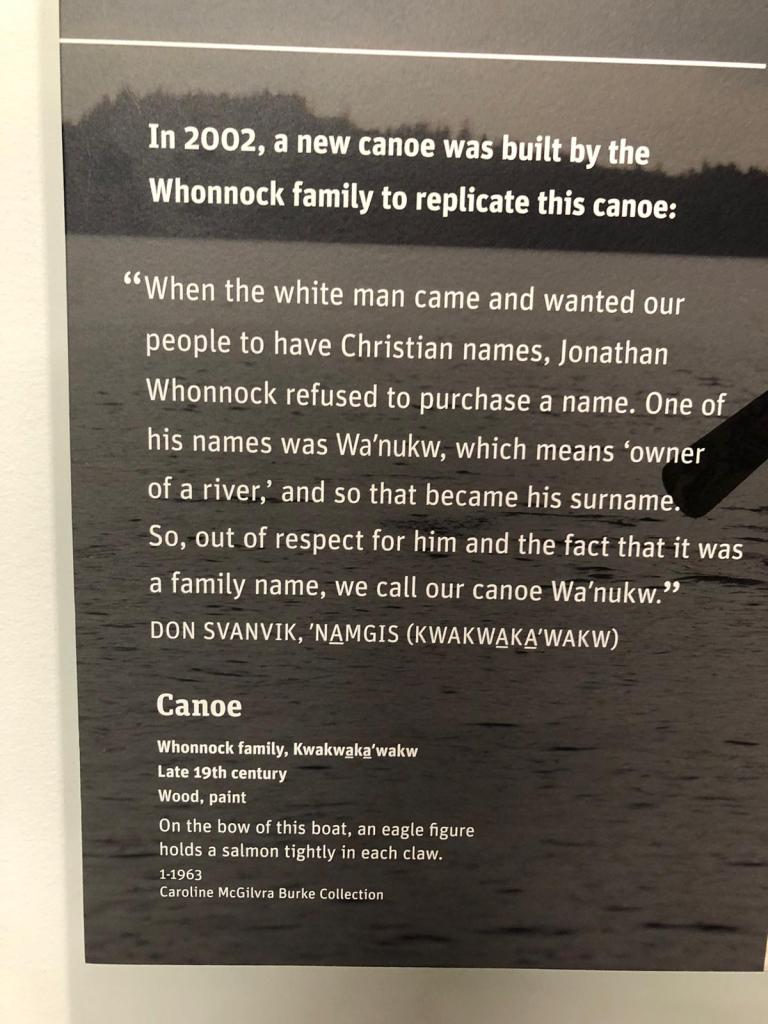
Burke Museum gave me another example of situations when people’s naming systems differ from the Western Forename-Surname structure, they are sometimes forced to conform. Chief Jonathan “Whonnock” (anglicised)’s name is structured as such.
You would be mistaken to think these questionable treatments of names is a thing of the past! I was updating my UCL profile recently, and UCL gave this lovely advice – no names containing punctuation, diacritics, special or non-Latin characters, or names that are too long.
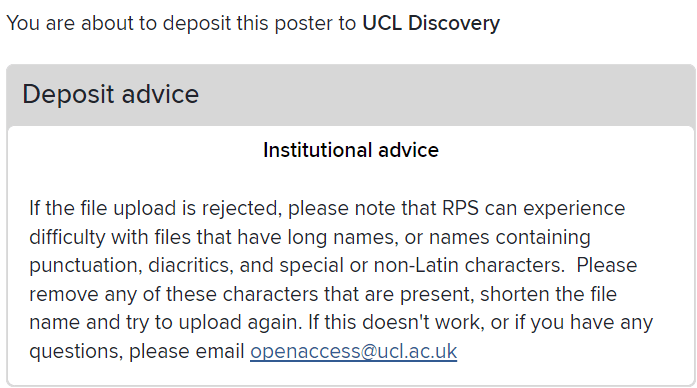
This may be innocent and non-consequential for file names – but you won’t say for people’s names. What truly hurts about “being called names” is about being called names that one does not identify. We live in a culture that claim to respect diversity, but has yet to truly reflect on their practices, in terms of data system design. In terms of data linkage, where names are often used to help identify if multiple records belong to the same person, we have long-established inequalities by racial-ethnic groups – where people from White British groups are most well linked, represented, and included in research. I have written about the technical side of this argument in my own academic work – hopefully out soon (waiting for Arxiv…)!
The Fault in our Names – share your stories.
We need to tell our stories to drive change. I have started a page here to invite your submission to collective tell our story – how our names are misrepresented in data systems, and it’s direct impact on our lives. I hope this will create an archive of our stories, and bring them to light.
One day, our names, all names, will be treated with respect.


 JosePhD